
Watch our interview with The Klezmatics discussing their 40th anniversary tour, their album We Were Made For These Times, and the musical and cultural inspirations that helped shape the record.
More About The Klezmatics…
The Klezmatics are a Grammy Award winning ensemble that have played a major role in reshaping how klezmer music is understood in the modern era. Formed in the 1980s in New York City’s East Village, the group emerged during a broader revival of interest in Eastern European Jewish musical traditions, but quickly distinguished themselves by refusing to treat klezmer as a purely historical or archival style. Instead, they infused it with contemporary political themes, poetic lyrics, and influences from jazz, rock, and global folk traditions. Over the decades, The Klezmatics have collaborated with a wide range of artists, explored multilingual and multicultural compositions, and helped bring klezmer music onto international stages while preserving its emotional intensity and cultural roots. Their work often balances celebration and reflection, combining high energy instrumental sections with deeply expressive and spiritual undertones.
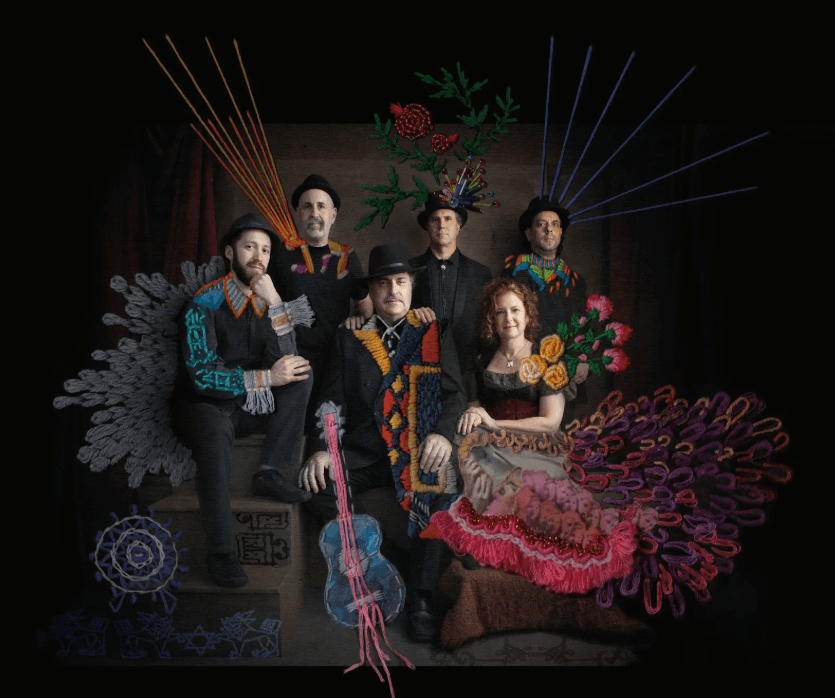
Image courtesy of The Klezmatics
What is Klezmer Music?
Klezmer music itself is a traditional instrumental and vocal music form that originated within the Ashkenazi Jewish communities of Eastern Europe, historically performed at weddings and communal celebrations. Characterized by its highly expressive melodic style, klezmer music often imitates the human voice, incorporating techniques such as laughing, crying, and wailing through instruments like the violin, clarinet, accordion, and trumpet. The genre is built around emotional storytelling rather than rigid formal structure, which allows performers to improvise and reinterpret melodies in highly personal ways. Over time, klezmer absorbed influences from surrounding musical cultures including Romani, Slavic, Ottoman, jazz, and classical traditions, making it a hybrid form that evolved wherever Jewish communities settled. In its modern revival, klezmer has expanded beyond traditional settings into concert halls and experimental music spaces, with groups like The Klezmatics playing a key role in bridging its historical foundations with contemporary artistic expression.



Images courtesy of Ukranian Jewish Encounter, Grammy, and the Boston Public Library.